Turning Data
Into Profits
Production
Engineering
Maintenance
Production
Engineering
Maintenance
Published: 25 March 2015 | Updated: 19 December 2025
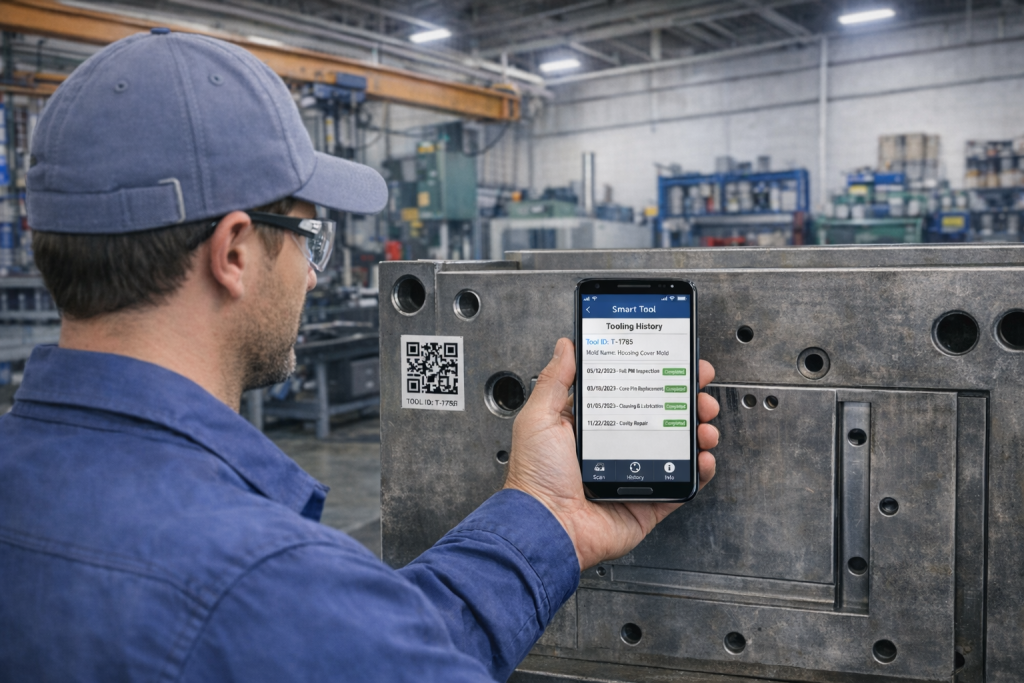
Smart TOOL is an innovative tooling management system designed to optimize the usage and maintenance of tools in your organization. It simplifies tool tracking, scheduling, and inventory management, ensuring your tools are always in peak condition and ready for use.
Smart TOOL has empowered organizations to maintain better control over their tooling assets, leading to reduced downtime and enhanced productivity. Today, it supports manufacturers and maintenance teams in managing their tooling operations efficiently, reducing costs, and improving overall tool lifecycle management.
Smart TOOL offers real-time visibility into tool usage, automated inventory updates, and proactive maintenance alerts. This tooling management system prevents downtime, reduces losses, and ensures that every tool is accounted for, ultimately enhancing productivity and cost efficiency.
1. What is a Tooling Management System (TMS)?
A Tooling Management System (TMS) is software used to control and optimise tooling assets across the full tool lifecycle—tool tracking, tool crib issuance/return, usage history, and tool availability—so production teams always have the right tools ready, in the right place, at the right time.
2. Why do manufacturers need tooling management software instead of manual tracking?
Manual tool tracking (paper logs, Excel, or ad-hoc labels) often causes lost tools, stockouts, duplicate purchases, and downtime. Tooling management software centralises tool data, improves tool accountability, and reduces delays by making tool location, status, and usage visibility easier for production, engineering, and maintenance teams.
3. What can Smart TOOL track in a tooling management system?
A Smart TOOL tooling management system typically tracks tooling inventory (cutting tools, jigs, fixtures, gauges, moulds, dies), tool locations (tool crib, line, machine), tool assignment to operators/work orders, and tool history (issues/returns, usage counts, and condition) to support controlled tool usage and better planning.
4. How does a tooling management system reduce downtime and tooling cost?
A modern tooling management system (TMS) reduces downtime by improving tool availability and preventing “missing tool” delays. It also cuts tooling cost by reducing over-stocking, avoiding emergency purchases, and improving tool utilisation through better scheduling, tool life monitoring, and standardised tool control processes.
5. Can a tooling management system support tool maintenance, calibration, and compliance?
Yes—many tooling management systems help teams manage tool maintenance and calibration by keeping digital records, schedules, and audit trails. This supports internal quality requirements and customer audits by improving traceability for tool condition, service history, and controlled issuance.
6. How does Smart Tool integrate with other quality and production systems?
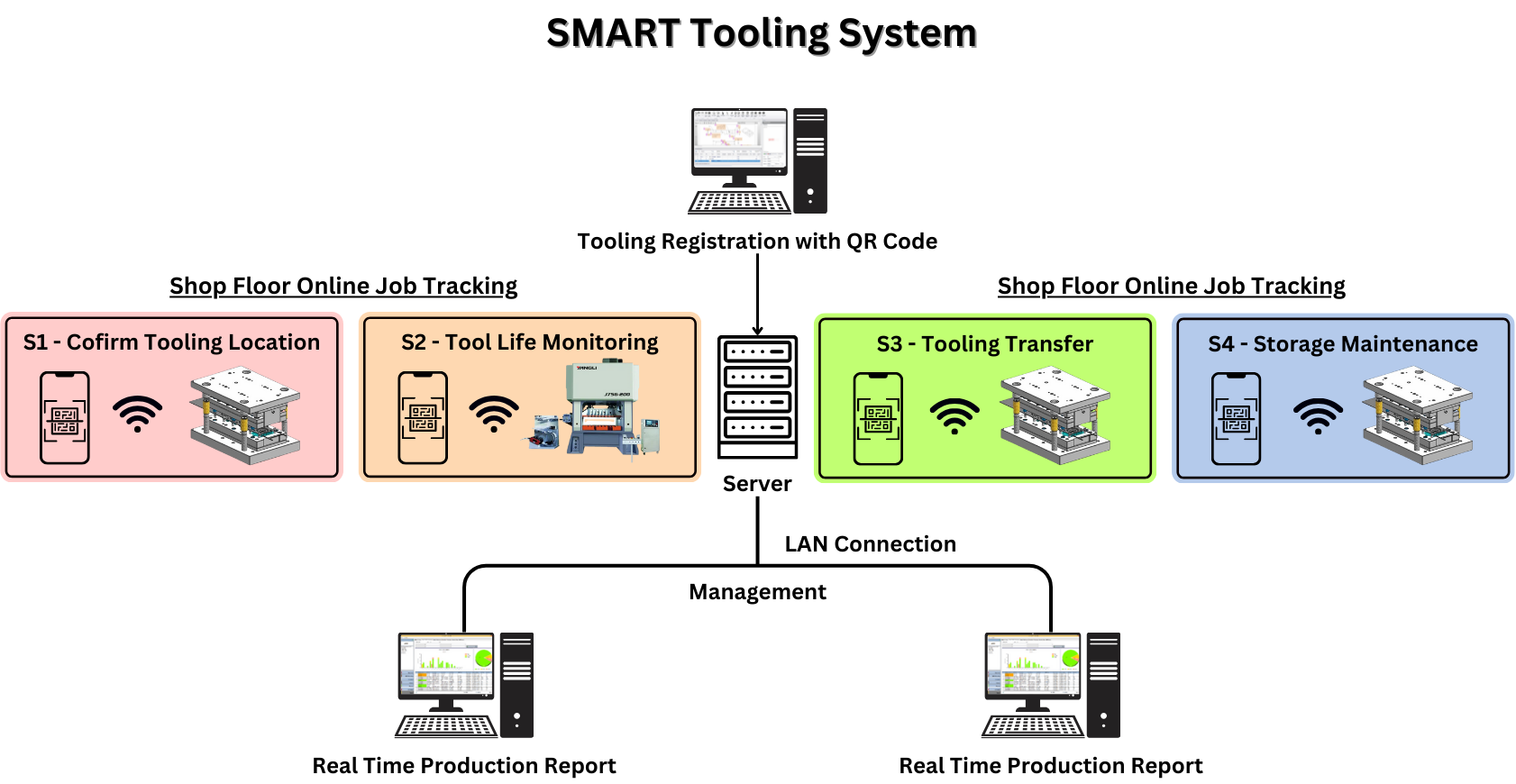
A tooling management system is often most valuable when connected to your factory ecosystem. Smart TOOL can be positioned to integrate with MES (work orders/production context), CMMS (maintenance/calibration records), Industrial IoT (connected machines/devices), and Quality systems (inspection traceability) to create an end-to-end Industry 4.0 workflow across tooling, production, and compliance.
Contact Us Today to Start Your Digital Transformation Journey!
Blue Ocean Data Solutions is a highly experienced company provides turnkey manufacturing solutions. With more than 10 years of experience serving a large customer base in manufacturing and hands-on expertise in programming, software and statistical data analysis combine with six sigma and lean manufacturing methodology, we assist our clients to solve complicated operation problems – yielding profitability increases and driving service and product delivery excellence.
Company
Contact Us